Oxford & Oxfordshire
Rooflight Guides
Permission

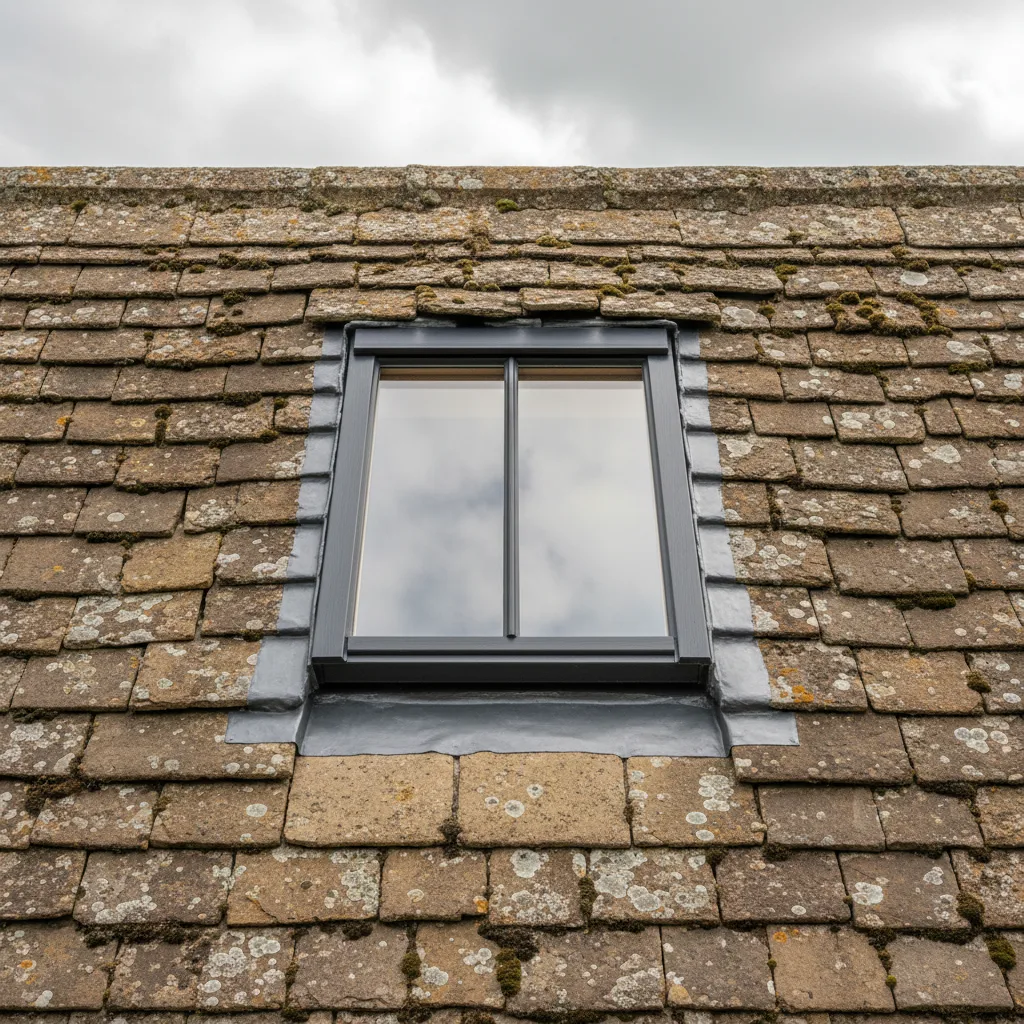
Listed Building Consent for Rooflights
Read more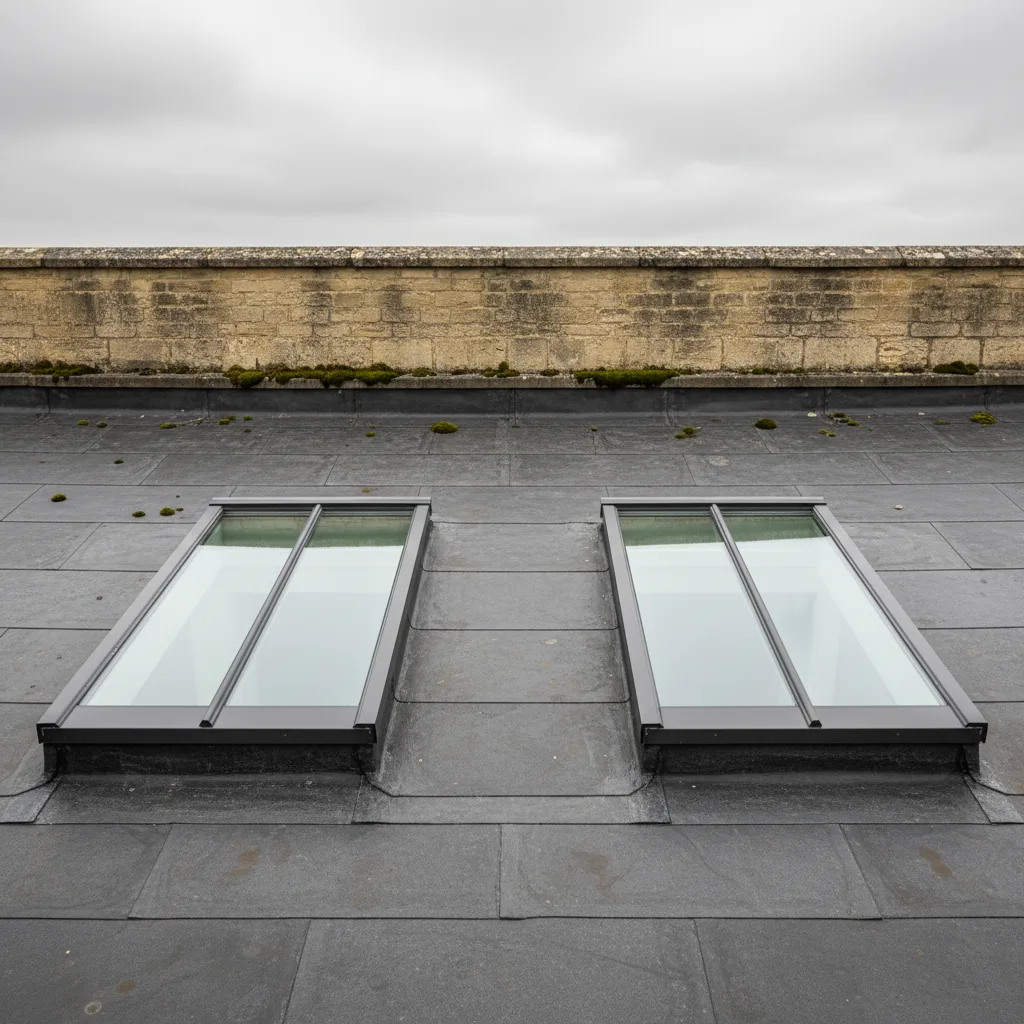
Article 4 Directions and What They Mean for Your Roof
Read more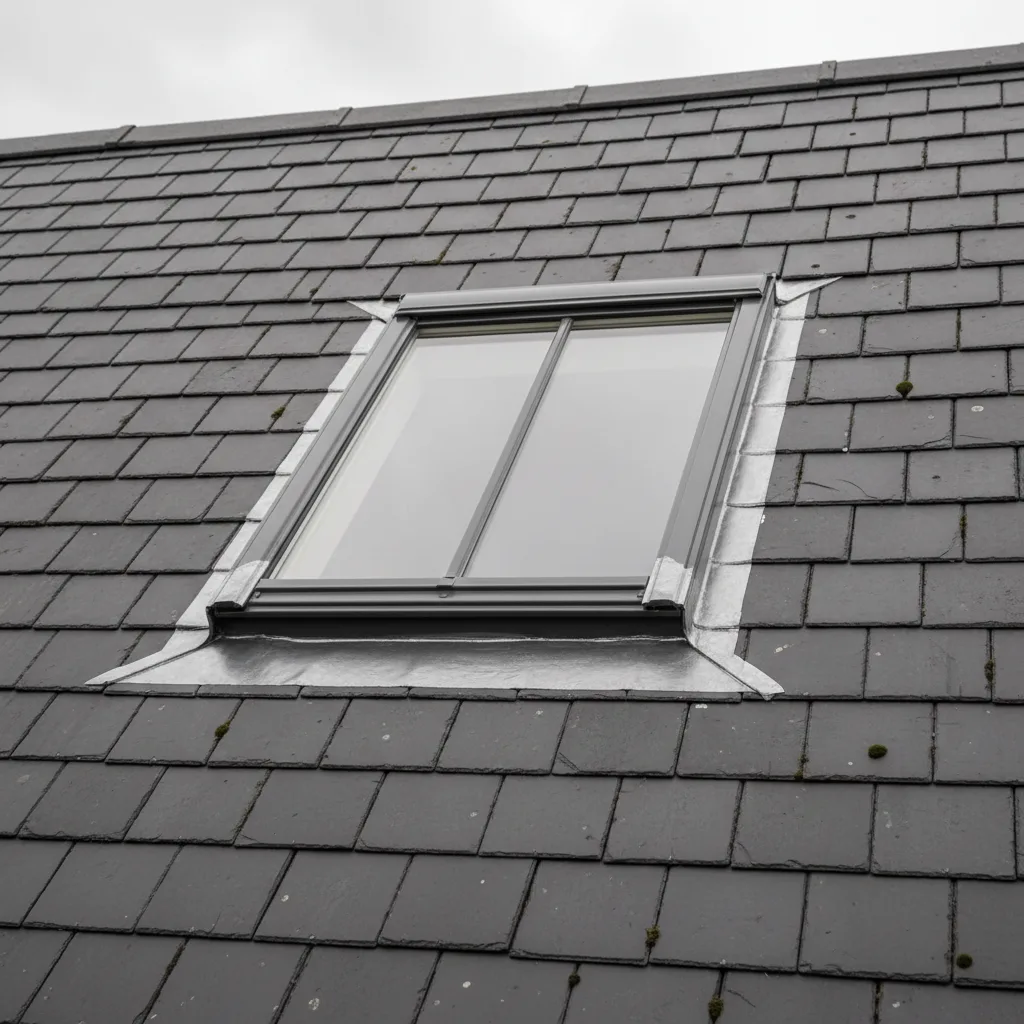
Rooflights in a Conservation Area
Read more
Building Regulations for Rooflights
Read more
Permitted development limits for rooflights
Read moreWriting a heritage statement for a rooflight
Read morePre-application advice and when it pays
Read moreWhat to do when a rooflight is refused
Read moreCurtilage buildings and the listing that catches them
Read moreThe planning authorities across the Oxford radius
Read moreCertificates of lawfulness for a rooflight
Read moreCosts
What a Rooflight Costs in Oxford
Read moreSizing a Rooflight for the Room Below
Read moreRooflights for Loft Conversions
Read moreReplacing an Old or Failed Rooflight
Read moreCleaning and Maintaining a Rooflight
Read moreWhat Happens on Installation Day
Read moreChoosing
Roof Window or Rooflight: Which Do You Need?
Read moreRoof Lanterns for Kitchen Extensions
Read moreSizing a roof lantern for the room below
Read moreAluminium and timber roof lanterns compared
Read moreRoof lantern glazing and solar control
Read moreStructural openings and steel for a roof lantern
Read moreRoof lantern ridge vents and how they are operated
Read moreRoof lantern pitch and how steep it should be
Read moreRoof lantern kerbs and who builds them
Read moreRoof lanterns on a Victorian rear addition
Read moreRoof lantern sightlines and glazing bar thickness
Read moreRoof lantern condensation in a kitchen
Read moreCentre-pivot and top-hung roof windows compared
Read moreRoof window escape openings and the rules
Read moreRoof window blinds and when to specify them
Read moreRoof window flashing kits by roof covering
Read moreRoof window sizes and how they are coded
Read moreReplacing an old roof window with a modern unit
Read moreRoof window ventilation flaps and filters
Read moreRoof window cill height and the view out
Read moreTimber and polyurethane roof window frames
Read moreRoof windows in a bedroom and blackout
Read moreRoof window handles, catches and child safety
Read moreRoof lantern frame finishes and powder coating
Read moreSpecification
Flat Roof and Pitched Roof Rooflights Compared
Read moreRooflights in Stone Slate Roofs
Read moreRooflights in Welsh Slate Roofs
Read moreRooflights in Clay Tile Roofs
Read moreLead Flashing and Weathering Detail
Read moreUpstands, Kerbs and Warm Roof Build-Ups
Read moreFlat rooflight falls, drainage and ponding
Read moreWalk-on rooflights and where they make sense
Read moreSingle-ply, felt and GRP roofs around a rooflight
Read moreFlat rooflights on a cold roof build-up
Read moreHow many rooflights a flat roof extension needs
Read moreFlat rooflight standard sizes and made-to-measure
Read moreFlush glazed and domed flat rooflights compared
Read moreFlat rooflights over a bathroom or wet room
Read moreFlat rooflight security and laminated glass
Read moreSnow and standing water on a flat rooflight
Read moreRooflights in concrete interlocking tile roofs
Read moreTrimming rafters for a pitched roof rooflight
Read moreRooflights in a trussed roof and what cannot be cut
Read moreSoakers, aprons and head flashings explained
Read moreRooflight reveals and why splaying them matters
Read moreTwo rooflights side by side on one slope
Read moreRooflights on a shallow pitch below 15 degrees
Read moreUnderlay and sarking around a pitched rooflight
Read moreLiving with it
Fixed, Opening and Electric Rooflights
Read moreU-Values and Glazing Specification
Read moreCondensation, Ventilation and Rooflights
Read moreSolar Gain, Overheating and Shading
Read moreTriple glazing in a rooflight and when it pays
Read moreWarm-edge spacers and where condensation starts
Read moreLow-emissivity coatings and argon fills
Read moreThermal bridging at the rooflight perimeter
Read moreAcoustic glazing and rain noise
Read moreExternal shading against internal blinds
Read moreRooflights and Part L for a replacement
Read moreVapour control layers sealed to the frame
Read moreSpecifying glazing by which way the slope faces
Read moreElectric rooflight actuators and how they work
Read moreRain sensors and what they actually do
Read moreWiring an electric rooflight at first fix
Read moreSolar powered rooflights without a mains run
Read moreRemote controls, wall switches and smart home links
Read moreElectric blinds fitted inside the rooflight
Read moreOpening rooflights for the stack effect
Read moreRetrofitting an electric opener to a manual unit
Read moreElectric rooflights out of reach and why they suit
Read moreBackup power and what happens in a cut
Read moreMaintaining an electric rooflight mechanism
Read moreProjects
Non-fragile rooflights and the standards that apply
Read moreRooflights in barn and outbuilding conversions
Read moreDaylight factor in a workspace
Read moreRooflights on a school or institutional estate
Read moreSmoke ventilation rooflights and AOVs
Read moreWorking on an occupied commercial building
Read moreRooflights in listed commercial premises
Read moreAccess, edge protection and roof safety
Read moreProgramme and phasing on a commercial roof
Read moreReplacing failed rooflights across a large roof
Read moreInsurance, warranties and commercial paperwork
Read moreRooflights over a retail or hospitality space
Read moreWritten to be useful before you buy anything
These guides set out how rooflights actually work, what the numbers on a specification sheet mean, and where installations go wrong. They are written so that somebody reading them could hold a competent conversation with any installer, including one who is not us. That is deliberate. A customer who understands why an upstand height matters is a customer who is easy to work with and hard to sell the wrong thing to.
Nothing here is gated behind a form and nothing here changes if you never call. If a guide answers your question completely and you go on to fit the unit yourself or use somebody else, it has done its job.
Where to start
If you are at the beginning, read the sizing guide and the one on flat against pitched roofs. Between them they settle what will physically go into your roof and roughly what it will cost, which is what most people actually want first.
If you have had a quote and want to check it, the guides on upstands, flashing and glazing specification are the ones to read. They cover the four details that decide whether a rooflight stays dry, all of which are invisible once the job is finished and none of which appear on a typical quotation.
If the problem is an existing unit that has failed, start with the guide on replacement. The decision there is rarely about the glass. It is about whether the opening and the timber around it are still sound enough to carry a new unit, which is a survey question rather than a catalogue question.
Guides against answers
A guide takes a subject and works through it properly. The answers section takes a single question and answers it in a few hundred words. If your question is narrow and specific, look there first; if you want to understand a subject rather than settle a point, the guides are the longer read.
Get a quote
Tell us about your roof
We start with the building, the covering and the slope. Then we tell you what will suit it, and what it will cost, as a fixed written number.
- Surveyed before it is priced
- 10-year workmanship guarantee
- Building Control notification handled
- New installations and replacements