
Headington
Headington stone quarries, 1930s suburban semis, Old Headington conservation area, hospital-belt rentals
Read moreHeadington stone quarries, 1930s suburban semis, Old Headington conservation area, hospital-belt rentals
Read more
Interwar Morris Motors estates, uniform hipped clay-tile roofs, later flat-roof rear additions
Read more
Edwardian and Victorian villas, North Oxford conservation area edge, generous rear elevations
Read more
Dense Victorian artisan terraces, conservation area, narrow roof planes and party walls
Read more












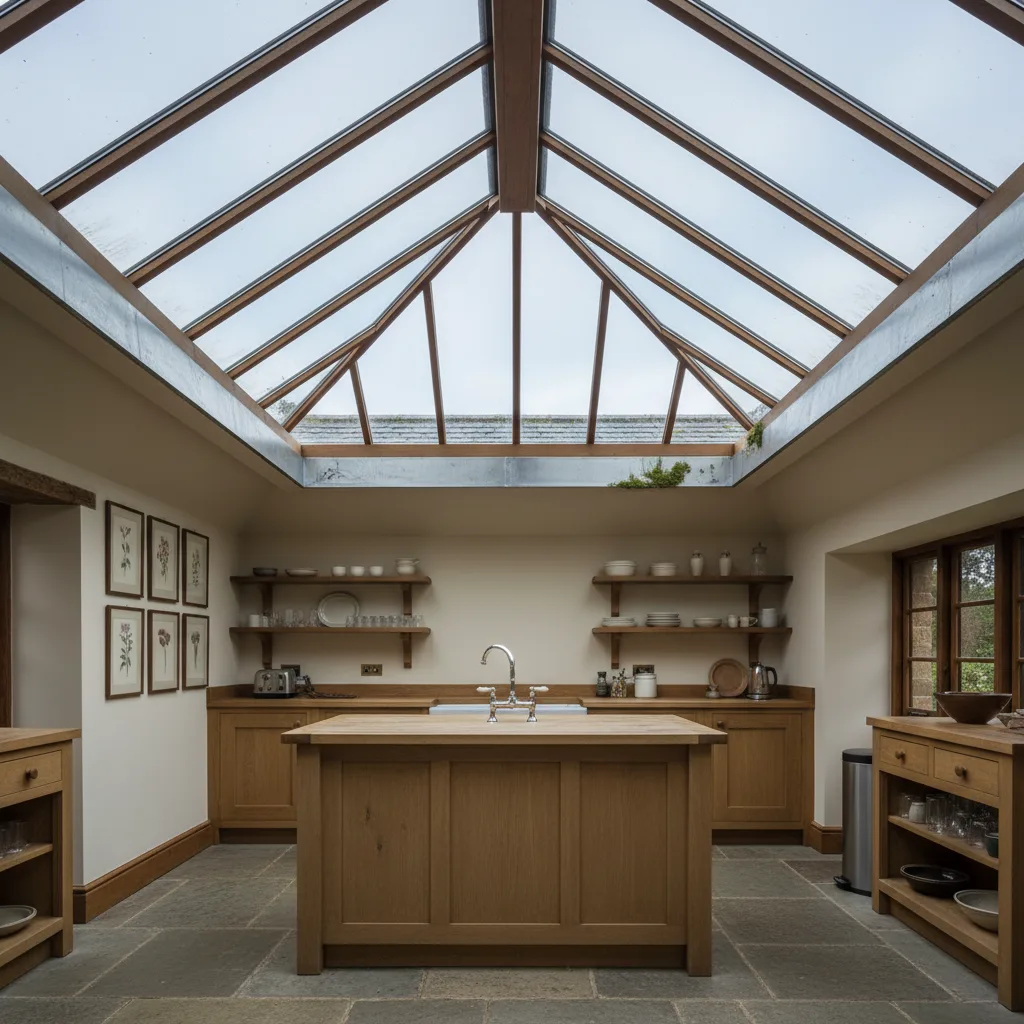
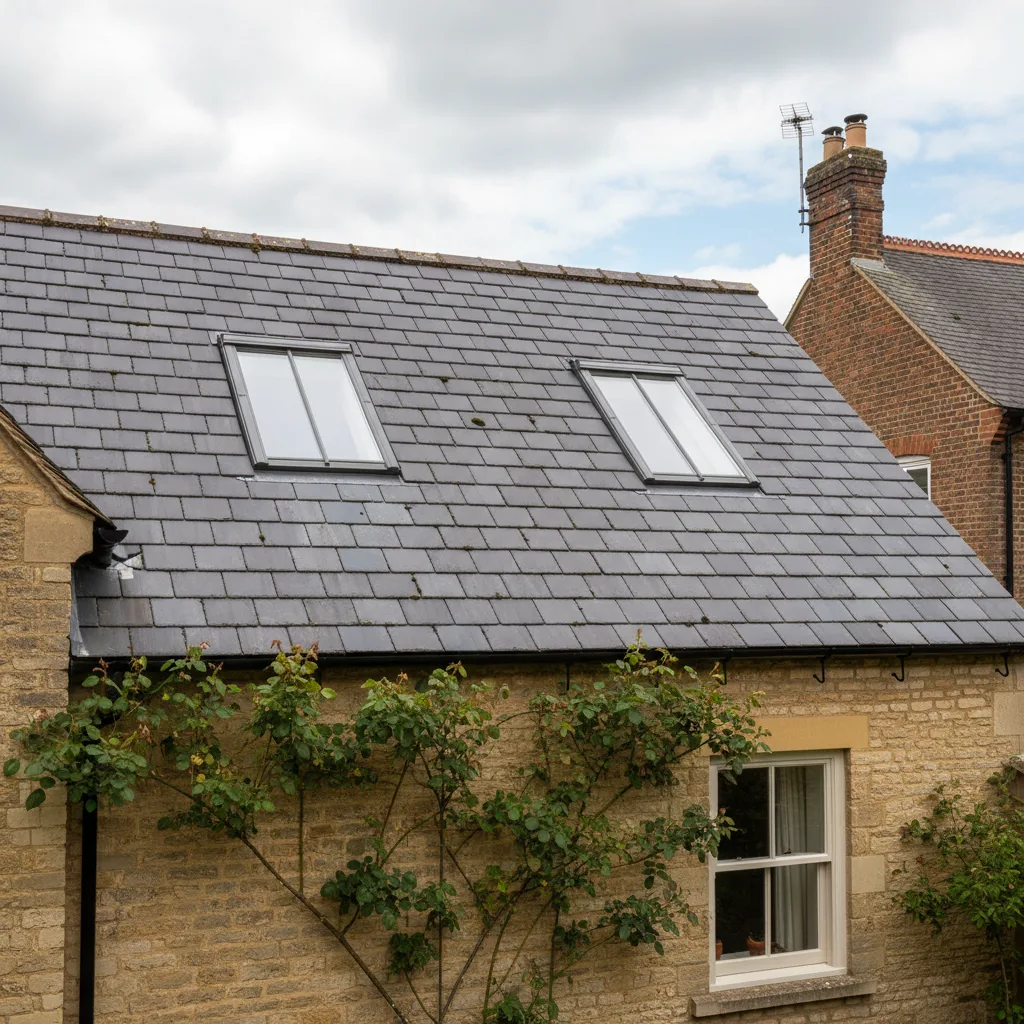
The radius above is road distance from Oxford, not a circle drawn on a map. A van drives roads, and the difference matters on the western and northern edges of the county where the route is longer than the crow flies. If your village is not listed and you are inside that drive, the answer is almost certainly yes. Ask rather than assume, because the boundary is a driving time rather than a line.
The radius crosses county borders deliberately. Parts of Buckinghamshire, Northamptonshire, Berkshire and Warwickshire fall inside it, and a roof in Brackley or Aylesbury is no harder to reach than one in Chipping Norton. What changes across a county boundary is the planning authority, not the work.
These are not the same page with the town name swapped. Oxfordshire changes its roofing every few miles, and the specification changes with it. Cotswold stone slate on the western edge is laid in diminishing courses and is heavy, so the structure below it is doing more work than it looks. The ironstone belt north of Oxford carries a different tile and a different pitch again. The post-war estates around the city are concrete interlocking tile on trusses, which is the simplest roof in the county to fit a rooflight into. The Thames-side villages have damp and shallow pitches to think about.
The planning position changes too, and not gradually. Abingdon is in the Vale of White Horse, not Oxford. Henley and Goring answer to South Oxfordshire. Oxford’s own conservation areas carry street-by-street directions that do not apply a mile outside them. Reading the wrong authority’s guidance is the most common reason somebody arrives with a confident and incorrect idea of what they are allowed to fit.
We will say so and, where we can, point you at somebody sensible. Stretching a service area is how installations end up with a firm that will not come back for the ten years the workmanship is guaranteed for, and a guarantee nobody will travel to honour is not a guarantee.
We start with the building, the covering and the slope. Then we tell you what will suit it, and what it will cost, as a fixed written number.